
{Article via}
Anyone who has ever reached for a sugary snack when stressed out or
feeling grouchy knows that the solace you get is fleeting: a few minutes
of satisfaction followed by the inevitable blood-sugar crash, with
added irritability to boot. And, in general, the modern Western
diet—high in processed and fried foods, simple carbs, sugars and
unhealthy fats—can set you up for depression, anxiety, and mood swings. But plenty of tasty options exist that actually do the opposite: boost your mood
and your energy, and set you up to perform better, too. Food choices
that you make every day influence your brain's ability to grow and
heal. The foundation of good mental health is good wholesome food. There are
ways to navigate the most up-to-date nutritional science to optimize
your best choices. It's all about relying on the new truths of
eating—and drinking.

New truth: That caffeine high is real
If you feel that your morning coffee soothes your soul, it's not your imagination: A large 2011 study found that women who drank at least two cups of coffee regularly had a 15% lower risk of depression than those who didn't drink any coffee—and their risk decreased by 20% when they downed four or more cups of joe a day.Your prescription: Caffeine in moderation
One possible reason: Caffeine triggers the release of the brain chemical dopamine—important for sharpening focus and improving your outlook. Coffee also contains plant-based nutrients that function much like a class of drugs that are used to treat depression. Of course, caffeine doesn't affect everyone in the same way, so cut back on java or other caffeinated drinks if you start to get the jitters or sleep poorly.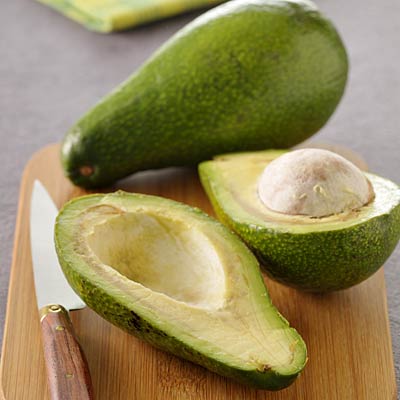
New truth: Fat can feel great
Fat gives us that unparalleled satisfaction because it slows digestion, producing a calming, blood-sugar-evening effect. But a comprehensive review of studies comparing the incidence of mood disorders in several countries found that eating at least two seafood meals per week—high in omega-3 fatty acids, specifically—was associated with lower rates of depression and other emotional disorders. Other research backs this up, showing that people with low levels of omega-3s may be at increased risk of anxiety and depression, likely because these fats help maintain function in areas of the brain responsible for regulating mood and emotion.Your prescription: More omega-3s
Unfortunately, over the last 150 years we've greatly minimized the amount of omega-3s in our diet. The American Psychiatric Association recommends that all adults eat 2-3 servings of oily fish such as salmon each week. Grass-fed beef, chicken and pork (which have higher omega-3 levels than their corn-fed brethren), avocados and nuts are other good sources. Aim for about 2 grams a day—what you'll get by eating a 4-ounce piece of salmon or a 1/4 cup of walnuts.
New truth: Carbs are crucial
It's late afternoon, and all you can think about are the treats in the vending machine. That's thanks to a drop in the feel-good brain chemical serotonin, which can lead to that 4 o'clock mood slump some of us experience every afternoon.Your prescription: A healthy snack
Beat your afternoon slump by having a snack with 25-30g of carbs—equal to about 3/4 of a cup of Cheerios. It's a small caloric expense to pay for feeling good.
New truth: A bliss trip needs tryptophan
The stuff originally thought to make you sleepy after Thanksgiving dinner is now believed to be a key to calm and happiness. In order to make serotonin, you need tryptophan, an amino acid that your body can't produce on its own, so it must be obtained from food—such as poultry, beef, eggs and nuts.Your prescription: Get some carbs with your tryptophan fix
Shoot for about 320 mg of tryptophan a day; you'll find more than enough in 4 oz of chicken or a cup of soybeans. Turbo-boost the trypto-charge: Add in carbs. Research shows that eating the equivalent of one slice of whole-grain toast or a few graham crackers causes the body to release insulin, which in turn increases the amount of tryptophan that gets into your brain. The ideal serotonin snack: turkey in a whole-wheat wrap.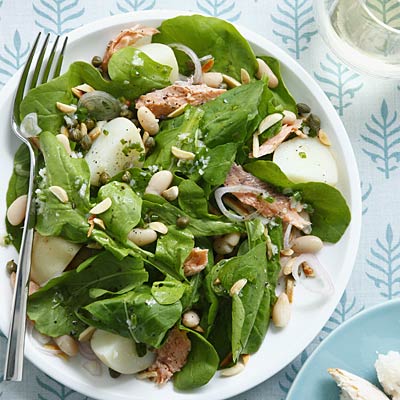
New truth: Happy salads have spinach
You can give your lunch a brain-friendly shot in the arm by trading the romaine lettuce for spinach, which provides more of the B vitamin folate per ounce. Higher concentrations of folate in the blood are linked to a decrease in negative mood, clinical depression and fuzzy thinking.Your prescription: Take a cue from Popeye
Because folate is water-soluble, your body does not store it, and you need a continuous supply through the foods you eat. In one recent study, participants with more folate in their red blood cells reported fewer bad moods over the course of a week. Spinach is the king of greens, supplying 131 mcg, or 33% of the 400 mcg recommended daily allowance (RDA) of folate for women 19-50, in just 1/2 a cup of the cooked vegetable or 2 cups uncooked. A cup of cooked garbanzo beans has a whopping 282 mcg, or more than 70% of the RDA.

No comments:
Post a Comment